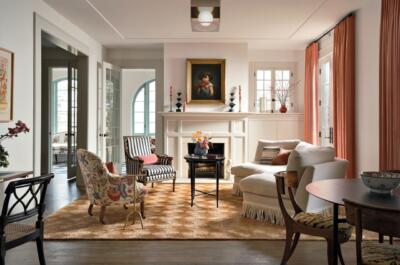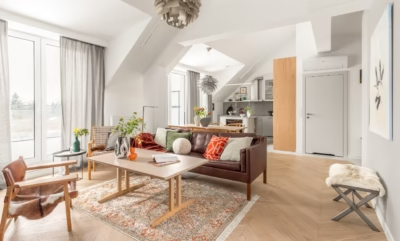


Jagna Niedzielska searched villages and small towns across Poland for a second home where she could switch off. The cook and advocate of zero-waste cooking chose a 150-square-metre house in Szczawno-Zdrój, Poland. She and her husband furnished their “gingerbread house” with second-hand pieces, mismatched porcelain and two kitchens fitted with Cosentino worktops. Photography is by Stan Zajączkowski.
A cook with a fondness for incomplete sets
Niedzielska wrote Bez resztek and presented the television programmes Jagny Niedzielskiej kuchnia bez resztek and Widelcem po mapie. Her work encouraged people to try unfamiliar cooking techniques, plan their shopping, store food carefully and use every part of an ingredient. She drew on experience with leading figures in zero-waste cooking, including chef Douglas McMaster at Silo in Brighton and the restaurant Nolla in Helsinki. Alongside television, she advised restaurants both before and after opening.
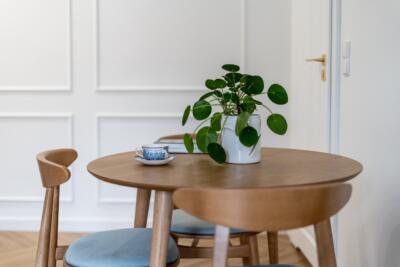
At home, the same enthusiasm for using what is already there extends to incomplete sets of china and old figurines. She sets them down wherever she pleases.

Second-hand furniture in a house built in 1932
Of all the houses she saw, this one near the forest appealed to her most. It gave the couple somewhere to retreat to from Warsaw, with woodland tracks, mushrooms to gather and a garden of their own. Niedzielska called it Chatka z piernika, or the gingerbread cottage. They also let the house through Slowhop when work took her back to the capital.

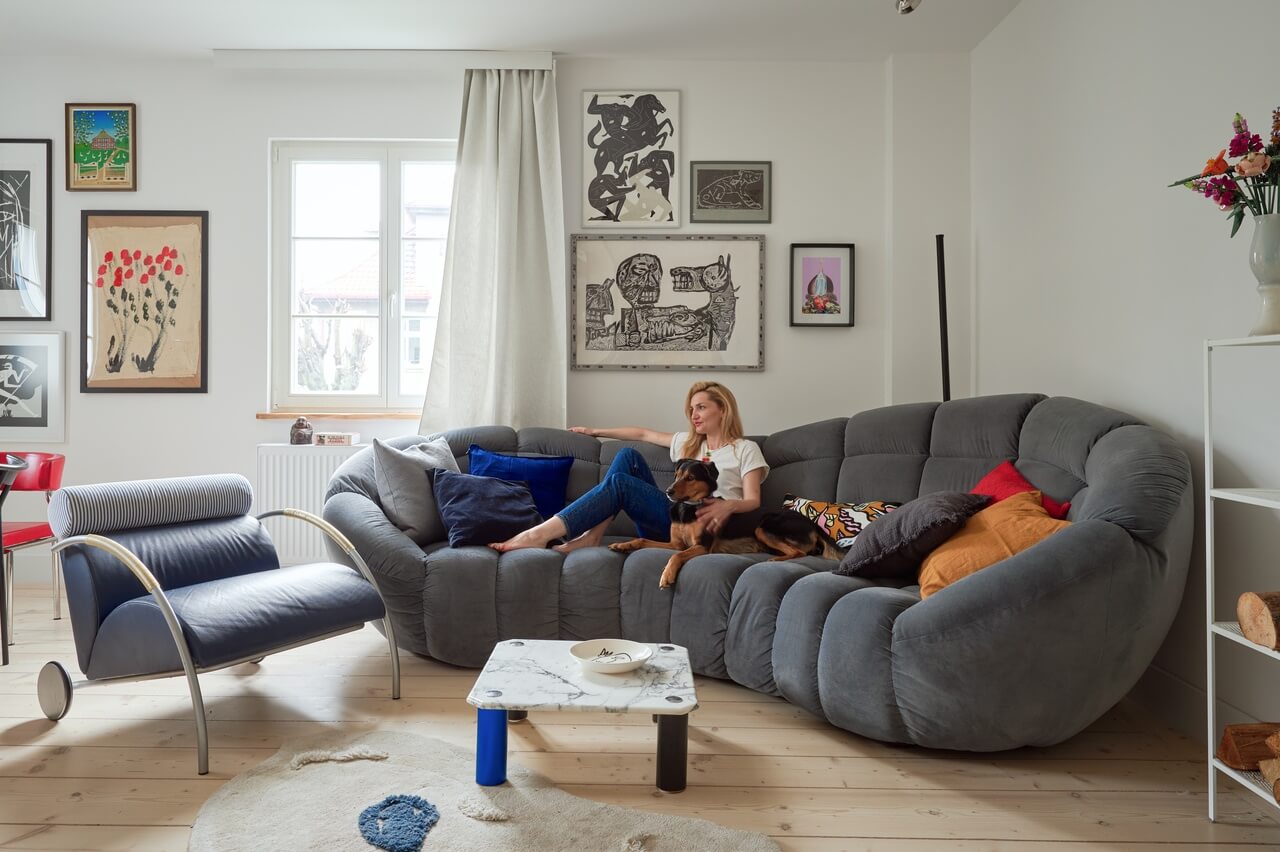
Local conservation oversight meant the exterior remained almost entirely as it was. Inside, contemporary Polish art and sculpture share the rooms with furniture from the 1980s. The couple kept as much original fabric as possible, from the old floors and joinery to the bay in the bedroom. Even the windowsills are made from boards salvaged from the windows.
Most of the furniture came second-hand. Wooden figurines serve as kitchen handles, while tiles, fibreboard and trestles make up a side table. The living room contains a glass sculpture and a sofa. One wall owes its scraped finish to an accident during renovation. A yellow staircase leads to the attic.

Two kitchens for cooking from scratch
Niedzielska wanted two kitchens from the outset. Both have hard-wearing Silestone worktops by Cosentino, and vegetables take pride of place. Among her favourite local ingredients is cheese from Wańczykówka. Her repertoire includes local curd cheese with caramelised sauerkraut, yoghurt with halva and berries, roasted young cabbage with olives and oyster mushrooms, and a savoury Basque cheesecake.

“Our gingerbread cottage, our second-hand house from 1932, needed one final touch. It was the last one, but for me it was the most important of all: the kitchen worktop. Given my profession, it’s something I pay particular attention to,” Niedzielska said. “I chose Silestone by Cosentino, a mineral surface made primarily of quartz, which works very well in a kitchen. It’s made with respect for the environment, and it’s an investment for the life of the kitchen. That makes sense to me.”
Products used in the project
- Silestone kitchen worktops by Cosentino
For country houses and retreats, find architects, interior designers and photographers in the PLNDesign directory.
See also:
- Wrocław homeowners combine bright Parisian-style rooms with rattan details
- A 620 m2 family home carries its exterior forms through the interior