


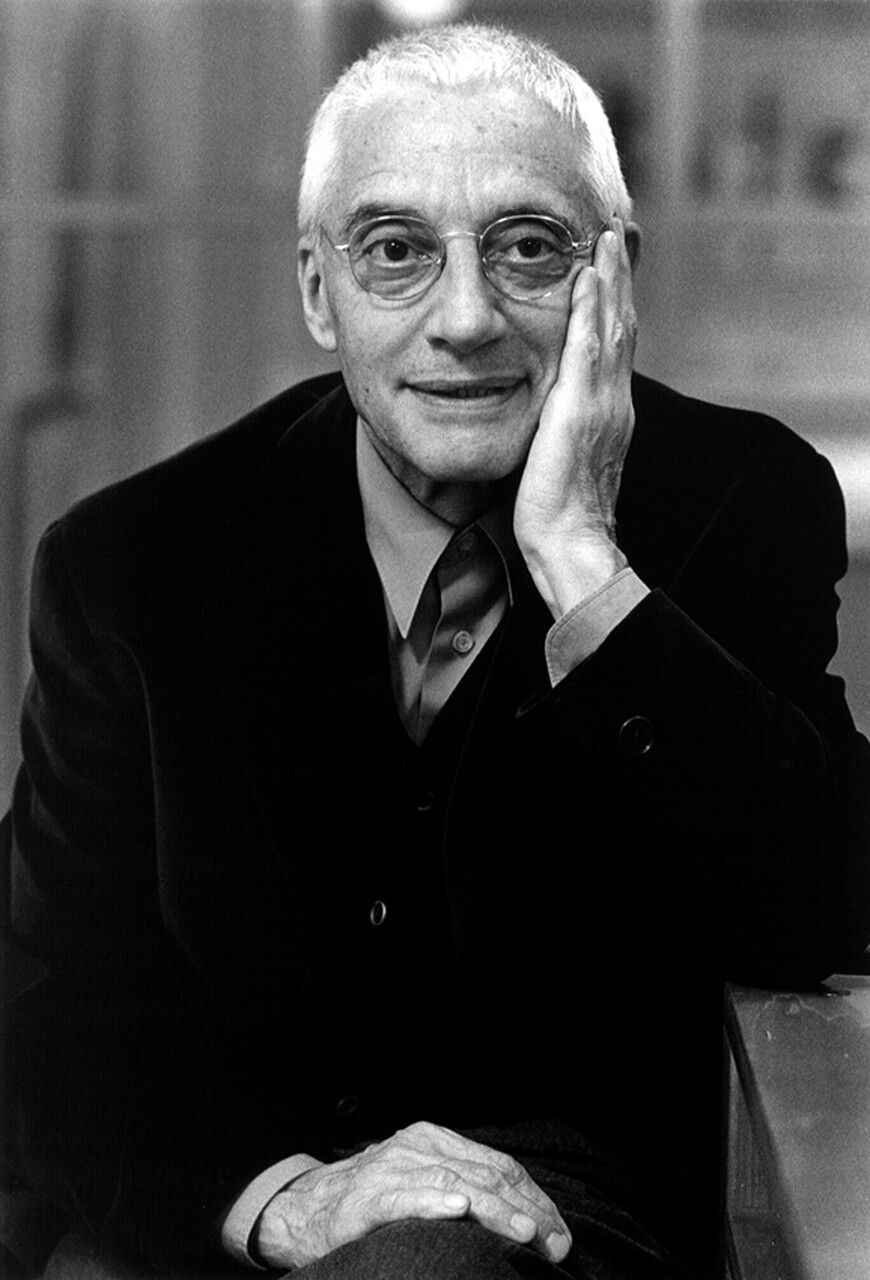
Alessandro Mendini (1931–2019) was an Italian architect, designer and editor who played an important part in Italian radical design and postmodernism. He is best known for the Proust armchair of 1978, painted with a pointillist pattern borrowed from Paul Signac, and for the Anna G. corkscrew he designed for Alessi in 1994. With his brother Francesco he ran Atelier Mendini in Milan, whose buildings include the Groninger Museum in the Netherlands.
Alessandro Mendini at a glance:
- Born in Milan on 16 August 1931: he graduated in architecture from the Politecnico di Milano in 1959 and died in Milan on 18 February 2019, aged 87.
- Editor of Casabella, Modo and Domus: he edited Casabella from 1970 to 1976, founded Modo in 1977 and took charge of Domus twice, from 1979 and again in 2010–2011.
- Re-design and banal design: his two central ideas were to rework existing furniture with new decoration and to treat everyday mass-produced objects as material for design.
- Atelier Mendini, opened in 1989: the practice designed the Groninger Museum, the Paradise Tower in Hiroshima and two stations on the Naples metro.
Who was Alessandro Mendini?
Alessandro Mendini was an Italian architect, designer, artist and editor whose work took in furniture, household objects, graphics, interiors, paintings and buildings. He was born in Milan on 16 August 1931 and graduated in architecture from the Politecnico di Milano in 1959. He then joined Nizzoli Associati, the Milan office of the designer Marcello Nizzoli, where he worked until 1970.
In 1970 he left the office to concentrate on research and criticism and became editor of Casabella. Through the decade he was one of the leading figures of radical design, the Italian movement that questioned functionalism and the industrial mass production of furniture and objects. Speaking to The Art Newspaper in 2011, he said: ‘I divide my life into two parts: before and after radical design.’
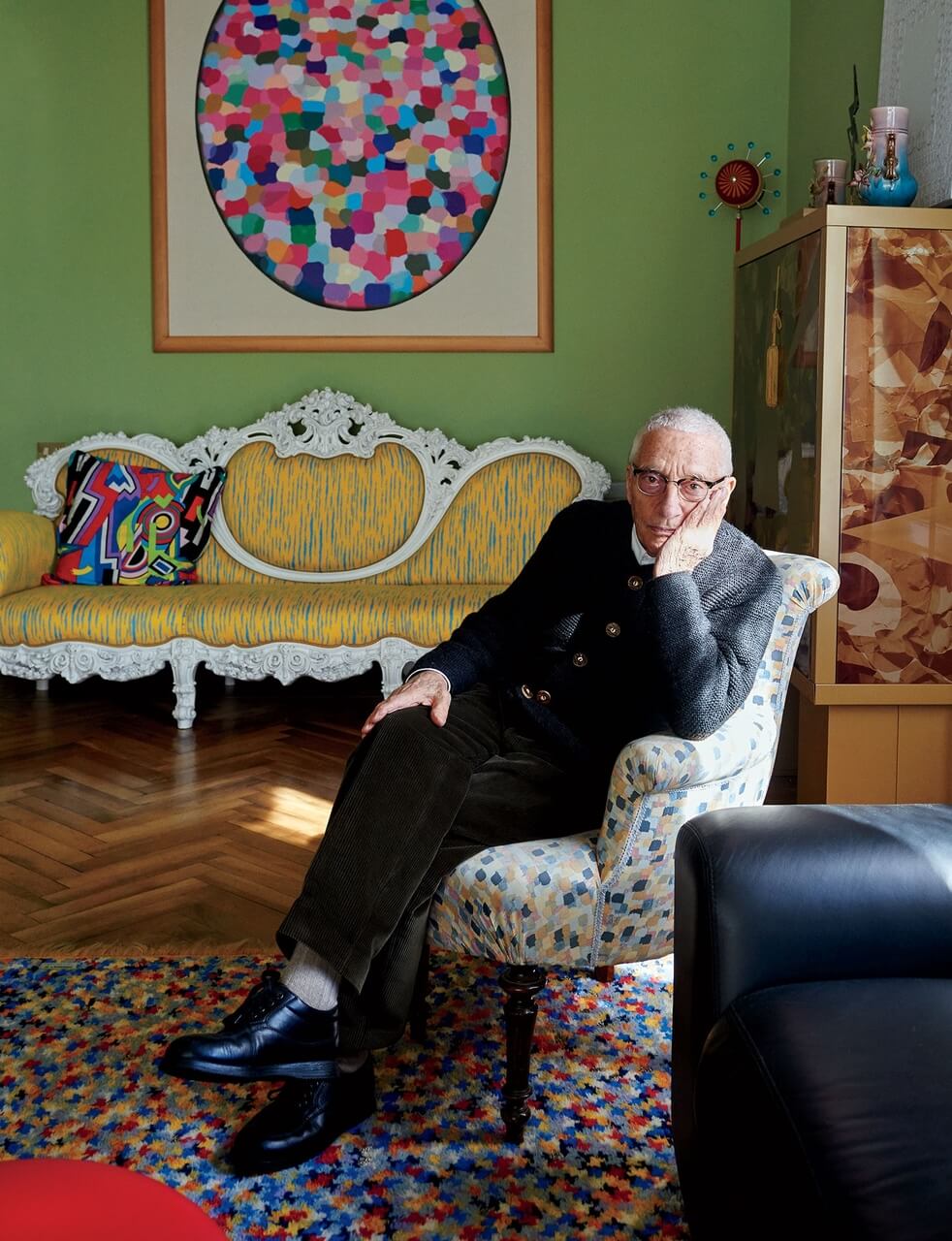
What did Mendini do at Casabella, Studio Alchimia and Domus?
Through the 1970s and early 1980s Mendini combined the editorship of Italy’s leading architecture magazines with experimental design, first with the Global Tools collective and then with Studio Alchimia. Under his editorship, from 1970 to 1976, Casabella became the mouthpiece of a new generation of radical Italian architects and designers. In 1973 he was among the founders of Global Tools, a short-lived school of radical design. In 1974 he made Lassù, a chair set on top of a pyramid-shaped base, and then set it on fire outside the Casabella offices. A photograph of the burning chair appeared on the magazine’s cover the same year, and in 1977 he founded Modo, a design magazine.
In the late 1970s Mendini joined Studio Alchimia, a group set up in Milan by Alessandro Guerriero in 1976, and soon became its leading figure, working there alongside Ettore Sottsass and Michele De Lucchi. Alchimia first presented its work to the public with the Bau.Haus collection in Milan in 1979, which included Mendini’s Proust armchair and Kandissi sofa. The group worked between art and design and made objects outside the logic of industrial production.
In July 1979 Mendini became editor of Domus, succeeding its founder Gio Ponti, and led the magazine into the mid-1980s, with graphics by Ettore Sottsass and Alchimia. He returned as editor in April 2010 and produced eleven issues under the subtitle ‘The new utopia’. In 1982 he co-founded the Domus Academy, a postgraduate design school in Milan, and he also taught design at the Hochschule für angewandte Kunst in Vienna.

His work brought him the Compasso d’Oro in 1979 and 1981 and a Compasso d’Oro career award in 2014, the year he also received the European Prize for Architecture from the Chicago Athenaeum and the European Centre for Architecture Art Design and Urban Studies. France made him a Chevalier des Arts et des Lettres, and the Architectural League of New York gave him an honorary title. He received honorary doctorates from the Politecnico di Milano, the École normale supérieure de Cachan, the Eugeniusz Geppert Academy of Art and Design in Wrocław and Kookmin University in Seoul, and in 2017 he was named A&W Designer of the Year.
When did Alessandro Mendini die?
Alessandro Mendini died in Milan on 18 February 2019, at the age of 87, and he kept designing in his last years. In April 2018 the Czech glassmaker Lasvit showed his Rombo vases, glass vessels shaped like faces, in its Monster Cabaret exhibition at the Teatro Gerolamo during Milan design week.
Since 2019 his daughters, Elisa and Fulvia Mendini, have run the Archivio Alessandro Mendini and their father’s studio in Milan. They have worked with manufacturers on new editions of his designs: Zanotta reissued his Dealbata vases of 1986 in 2024, and Lasvit has released the Rombo vase in a new colourway.
Three major exhibitions have followed his death. In 2019 the Groninger Museum, housed in the building he designed, staged Mondo Mendini. From 13 April to 10 November 2024 Triennale Milano and the Fondation Cartier pour l’art contemporain presented Io sono un drago. The true story of Alessandro Mendini, a retrospective of more than 400 works curated by Fulvio Irace and titled after one of his self-portraits. From 16 January to 10 May 2026 the Estorick Collection of Modern Italian Art in London held the first solo exhibition of his work in the UK, with around 50 pieces selected by the curator Alberto Fiz.
What defined Alessandro Mendini’s style?
Mendini built his style on decoration and on reworking objects that already existed, which set his work against the modernist rule that form follows function. The Estorick Collection sees a playful subversion of that rule as a consistent feature of his work.
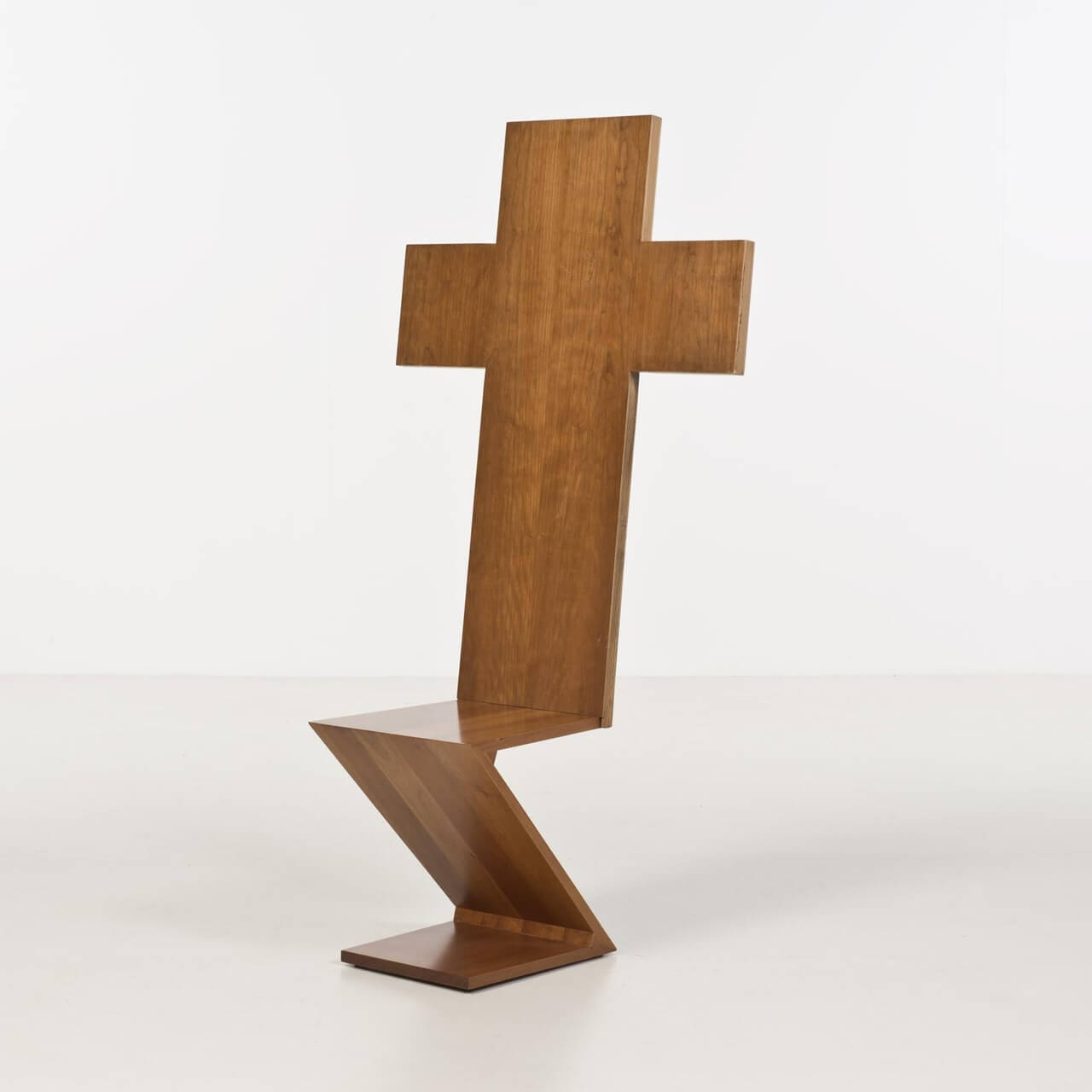
His first method was re-design. From 1978 he took modern classics and changed their meaning with new decoration: he added small flags to Gio Ponti’s Superleggera chair, gave Joe Colombo’s Universale chair a faux-marble finish, fixed a cross-shaped back to Gerrit Rietveld’s ZigZag chair and re-covered Marcel Breuer’s Wassily chair in camouflage-coloured imitation leather. The Proust armchair applied the same approach to an armchair in the style of the 18th century.
The second idea, banal design, turned to ordinary mass-produced things. In 1980 Mendini and Alchimia curated L’oggetto banale (‘the banal object’), a section of the first Venice Architecture Biennale. It brought together everyday Italian objects, designer pieces and mass products alike, and it reclaimed decoration, which modernism had banished.
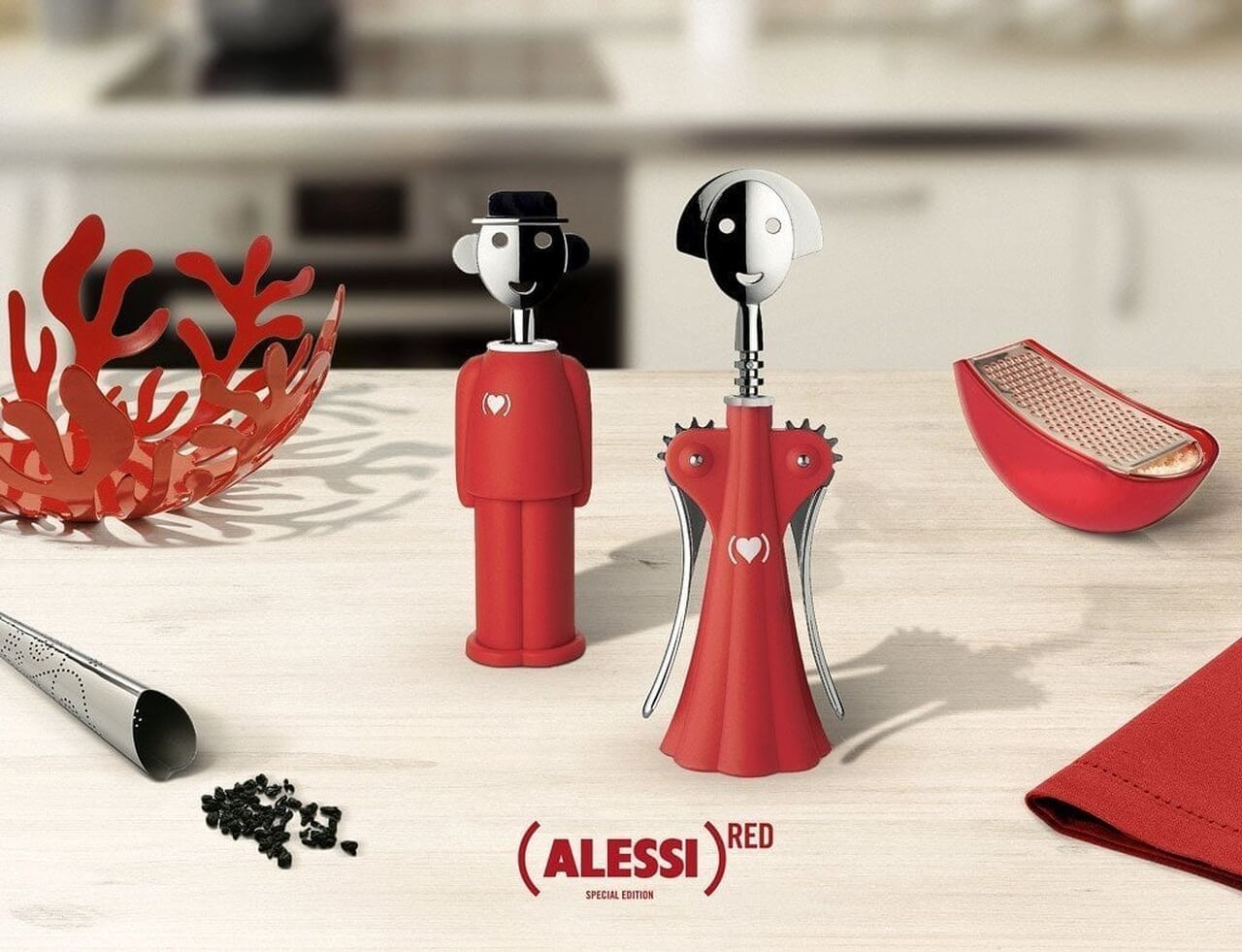
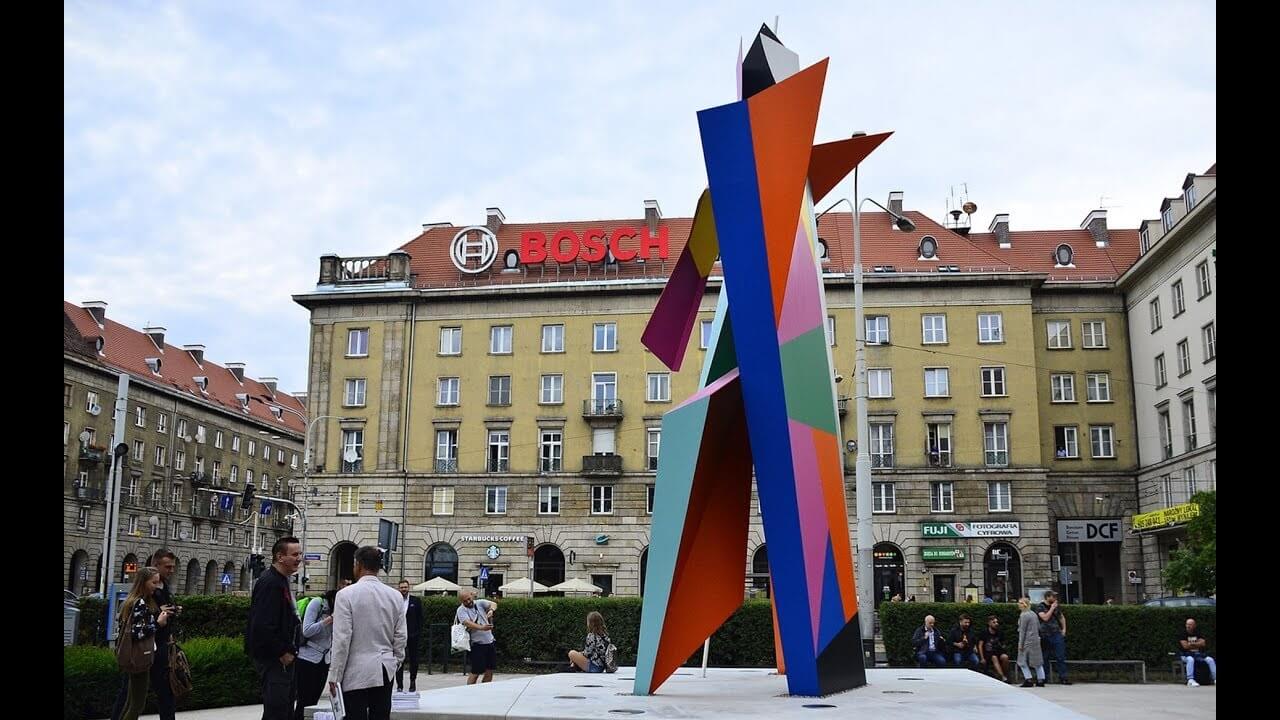
Mendini also borrowed openly from art history. The Kandissi sofa of 1979 carries painted forms inspired by Wassily Kandinsky’s abstract compositions, and later works refer to the Italian Futurists and to the mannequin-like figures in Kazimir Malevich’s paintings of the 1930s. His anthropomorphic objects follow a principle he summed up as ‘treating objects as if they were human beings; I make them smile’.
Some projects handed part of the design to the user. Mobile Infinito, a collective Alchimia project of 1981, assembled furniture from elements by different designers and artists, and magnetic decorations let owners rearrange and add to them. It was first presented in September 1981 in the courtyard of the Politecnico di Milano, staged with the Florentine theatre group Magazzini Criminali.
What Mendini left behind: his best-known designs
The Proust armchair and the Anna G. corkscrew remain Mendini’s best-known designs, and both are still in production. Over five decades he also designed furniture, lamps, ceramics, glass, watches and kitchenware for manufacturers in Europe and East Asia.
| Design | Year | Maker |
|---|---|---|
| Proust armchair | 1978 | Studio Alchimia, later Cappellini |
| Kandissi sofa | 1979 | Studio Alchimia |
| Mobile Infinito | 1981 | Studio Alchimia (collective project) |
| Cipriani cocktail cabinet | 1981 | Memphis |
| Tea & Coffee Piazza service | 1983 | Officina Alessi |
| Zabro chair-table | 1984 | Zanotta |
| Anna G. corkscrew | 1994 | Alessi |
| Alessandro M. corkscrew | 2003 | Alessi |
| Proust Geometrica armchair | 2009 | Cappellini |
| Moka Alessi coffee maker | 2011 | Alessi |
| Roy stool | 2015 | Kartell |
| Rombo vases | 2018 | Lasvit |
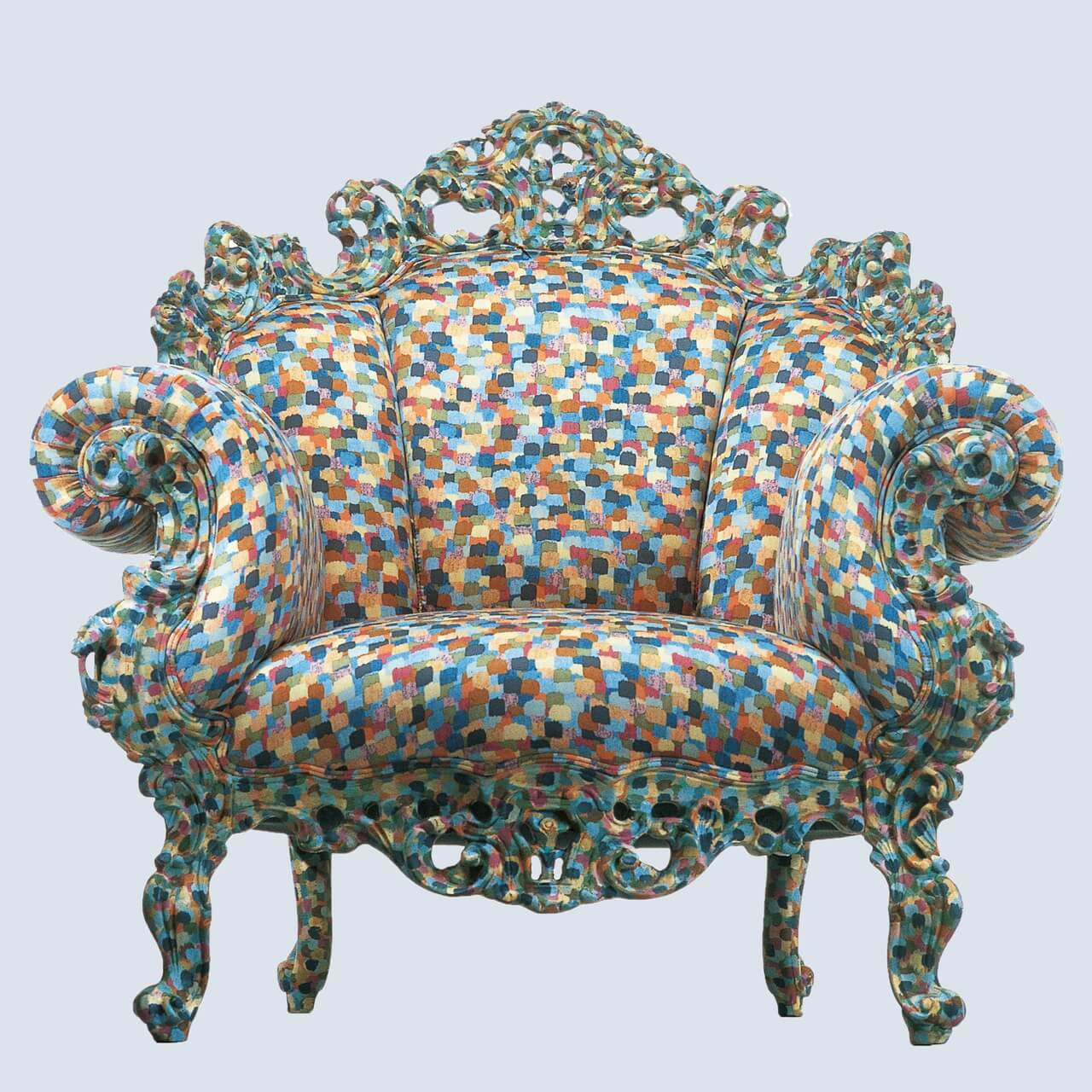
The Proust armchair takes its name from Marcel Proust. Mendini said he drew on Proust’s descriptions of place and time and on Impressionist painting, and he painted both the carved frame and the upholstery with dots in the manner of Paul Signac, a Pointillist painter of Proust’s time. The armchair was made as a one-off and first shown in 1978 at the Palazzo dei Diamanti in Ferrara, in an exhibition curated by Andrea Branzi and Ettore Sottsass, before it went into production in several versions. In a 2015 interview with Dezeen, Mendini called the Proust ‘an intellectual exercise’.
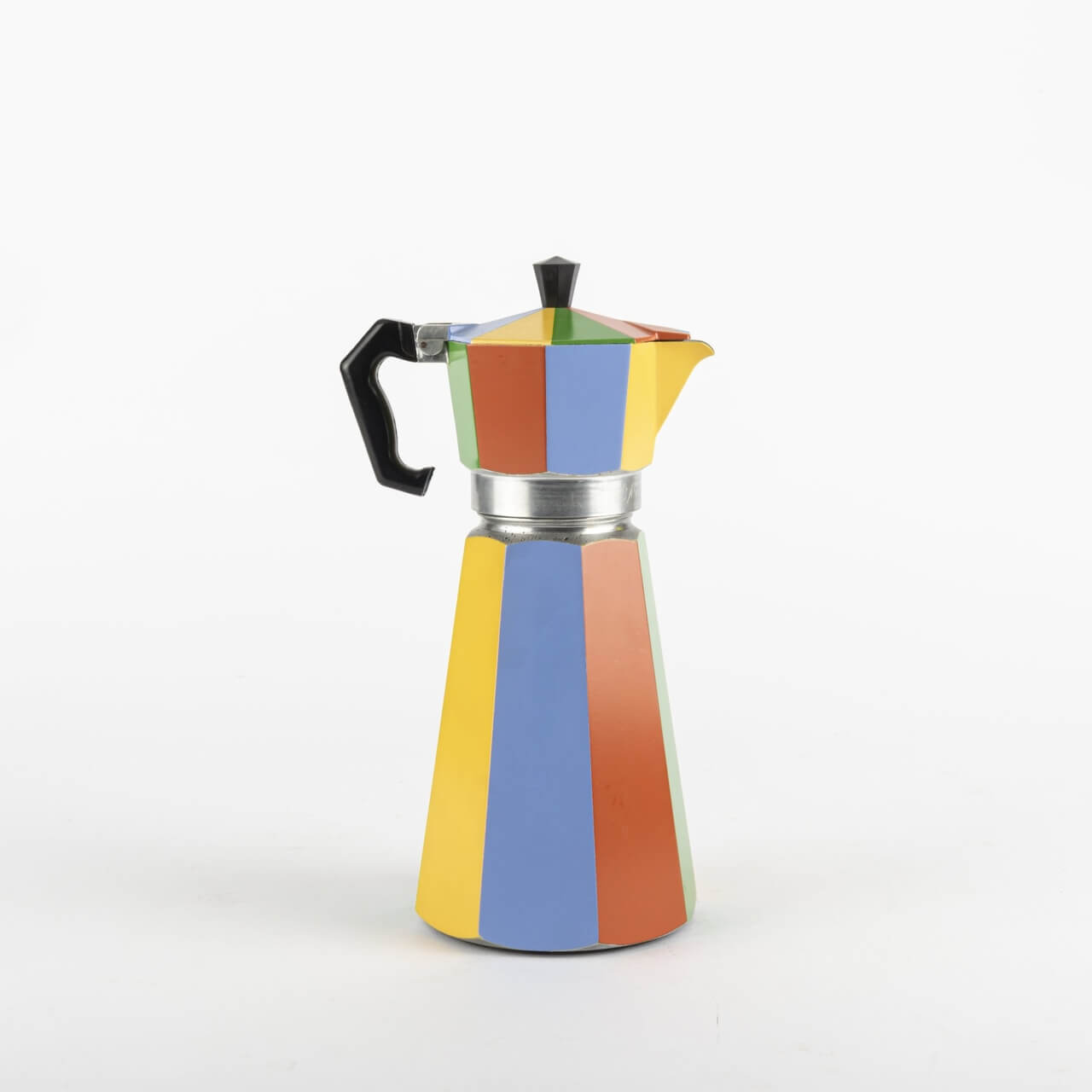
Mendini’s longest collaboration was with Alessi, for which he worked as a consultant as well as a designer. The Tea & Coffee Piazza project of 1983 was his idea: eleven international architects with no experience of industrial design each designed a tea and coffee service, and the V&A in London holds Mendini’s own set. Anna G. followed in 1994. Mendini set out to draw a ballerina, and Alberto Alessi noticed the figure’s resemblance to the designer Anna Gili, after whom the corkscrew is named. It has been one of Alessi’s best sellers since its launch and grew into a family of kitchen objects, joined in 2003 by Alessandro M., a male counterpart that serves as Mendini’s self-portrait. In 2011 Alessi asked him to design the Moka Alessi, a cast-aluminium stovetop coffee maker whose rounded body refers to the traditional moka pot.
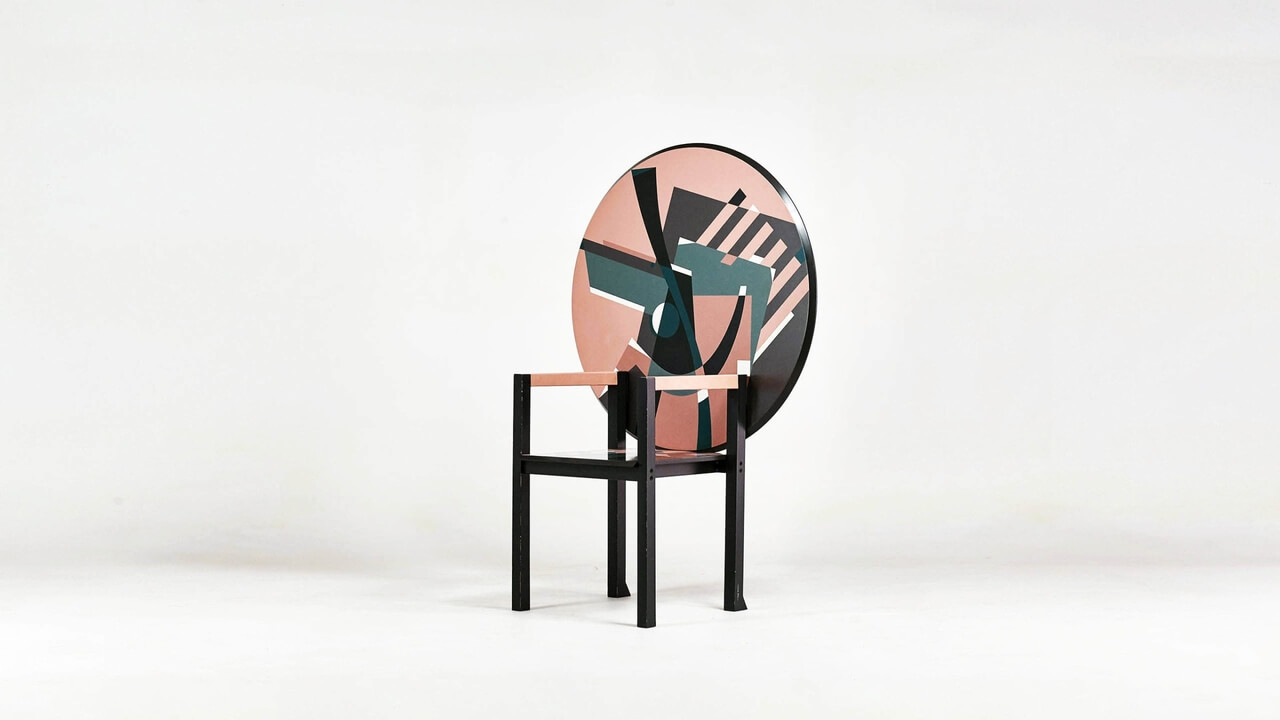
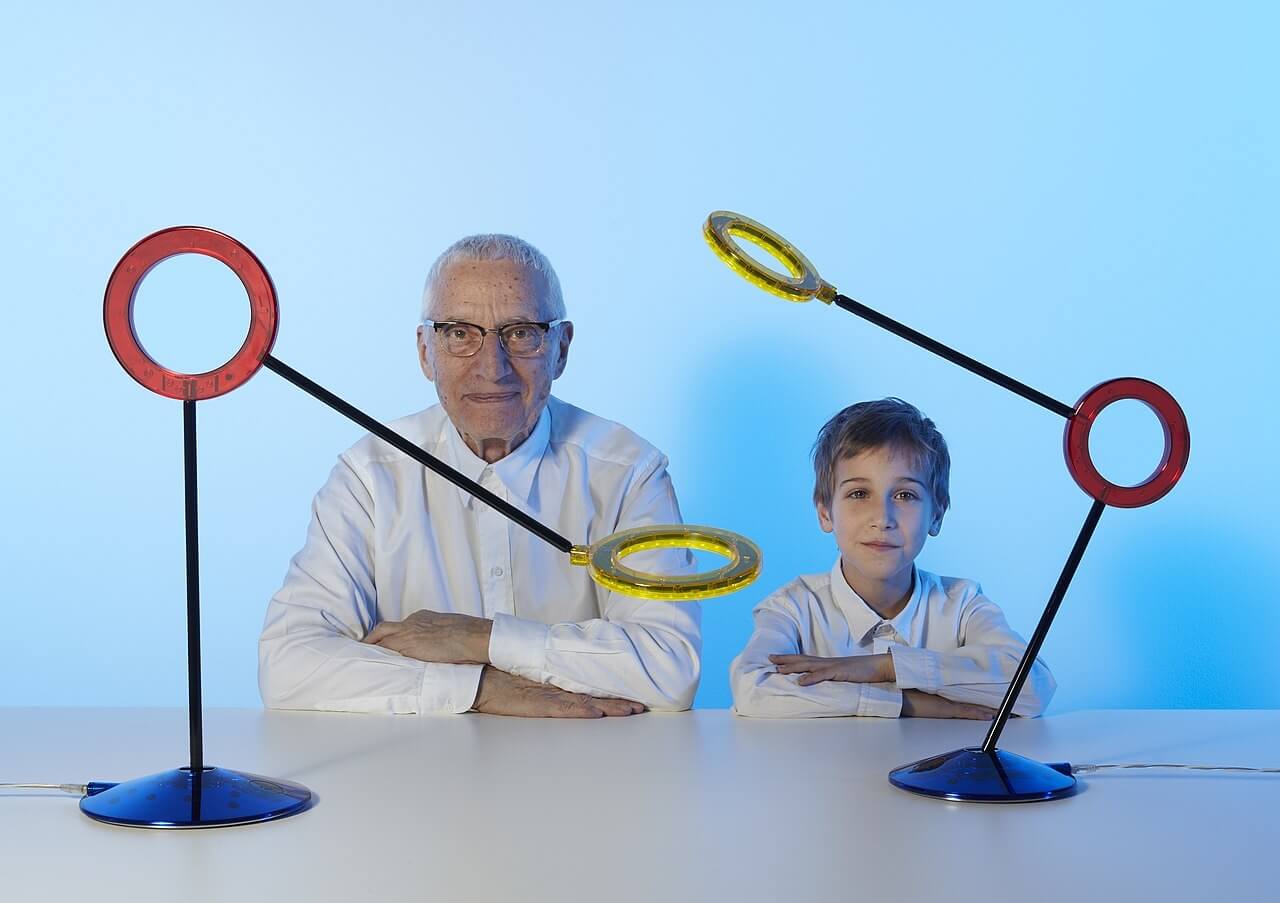
For Zabro, the experimental line of Zanotta, he designed the Zabro chair-table of 1984, whose round, hand-painted backrest folds down to become a tabletop. Kartell presented his first designs for the company in 2015, among them the Roy stool, which combines the shape of a traditional Chinese stool with a dot pattern after Roy Lichtenstein. Mendini was also creative director of the lighting brand RAMUN, whose Amuleto desk lamp grew out of a conversation about light with his grandson. Its three rings stand for the sun, the moon and the earth, and the top ring holds the LEDs.
Which buildings did Atelier Mendini design?
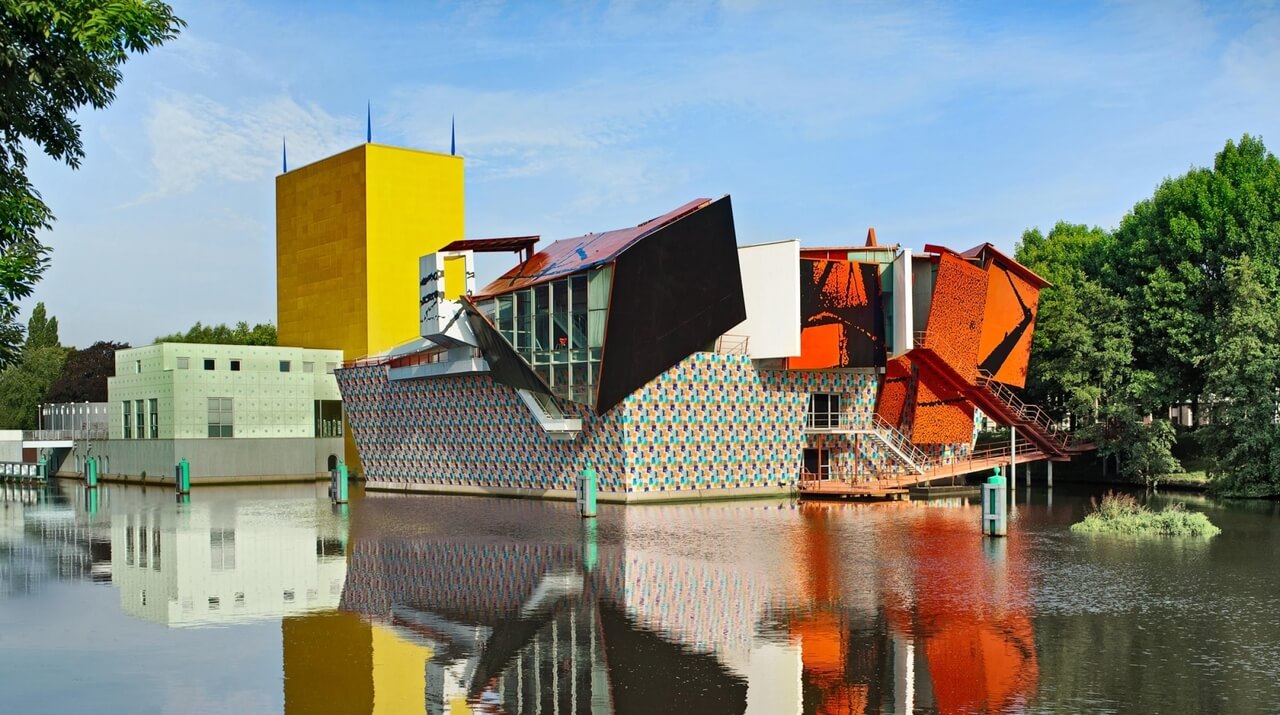
Atelier Mendini, which Alessandro opened in Milan in 1989 with his brother Francesco, an architect born in 1939, is best known for the Groninger Museum in the Netherlands. Mendini was its chief architect and invited three guest architects, Philippe Starck, Michele De Lucchi and Coop Himmelb(l)au, to design separate pavilions around his central yellow tower. De Lucchi designed a brick base on the west side, topped by Starck’s metal cylinder, while the deconstructivist pavilion by Coop Himmelb(l)au breaks with the symmetry of the rest. Queen Beatrix opened the building on 29 October 1994, and after a renovation the museum reopened on 19 December 2010 with interiors by Studio Job, Maarten Baas and Jaime Hayon.
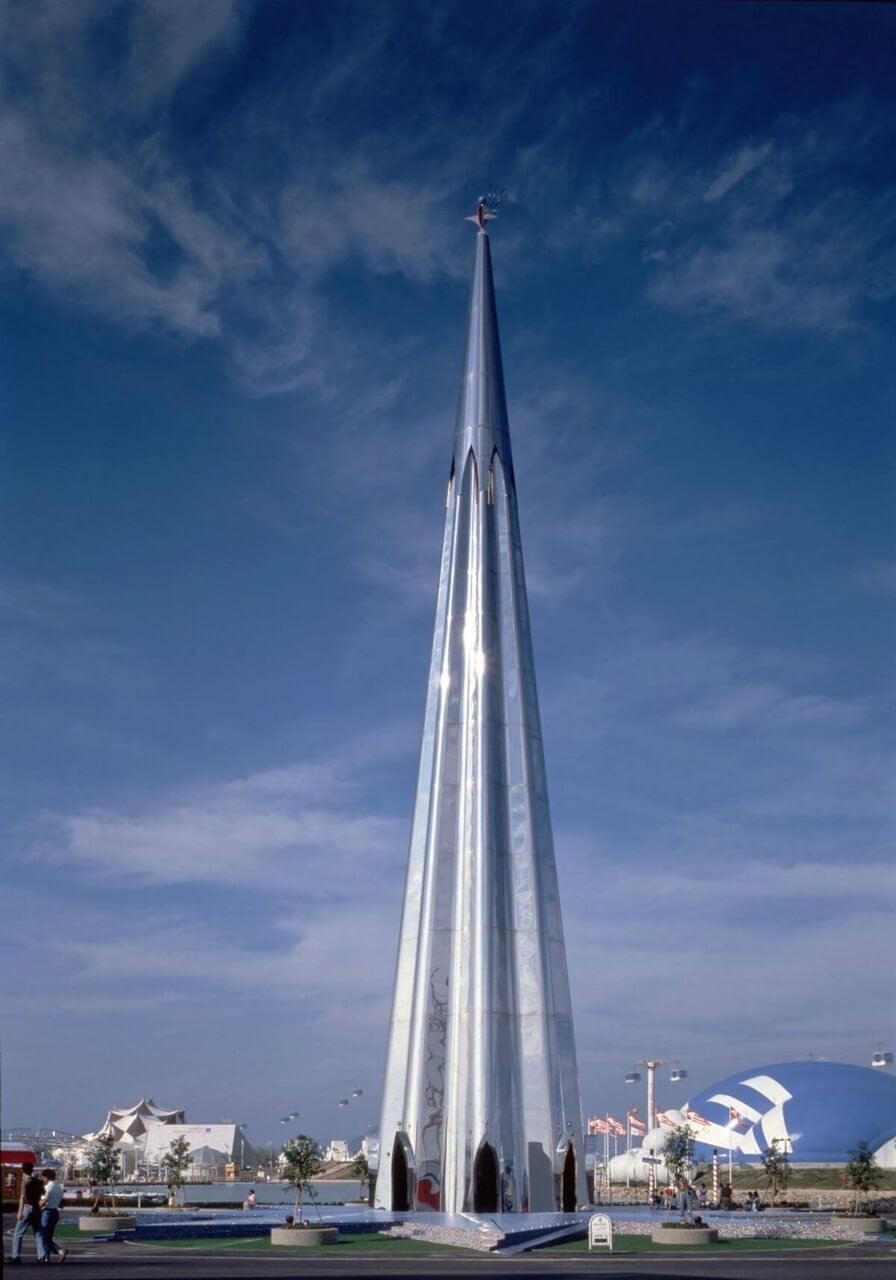
In Hiroshima the practice designed the Paradise Tower (Torre Paradiso) of 1989, a tapering tower clad in shiny metal that stands in a park at Ujina port. In Naples it designed the Salvator Rosa (2001) and Materdei (2003) stations on metro Line 1, part of the city’s Art Stations, and restored the Villa Comunale. The metro stations earned Atelier Mendini the 2003 Gold Medal for Italian Architecture at the Triennale di Milano.
For Alessi the atelier designed factory buildings and offices in Omegna, extensions to the company’s headquarters and the Alessi Museum, which opened in 1998. Its other projects in Italy include the Olympic swimming pool in Trieste, opened in 2004 and clad in multicoloured laminate, the Byblos Art Hotel Villa Amistà in Verona, the offices of the Trend Group in Vicenza and the renovation of Termini station in Rome in 1999. Abroad, it redesigned the facade of the casino in Arosa, Switzerland, redeveloped the Maghetti district in Lugano, gave the Madsack media centre in Hanover a new glass facade (2007) and designed the Triennale di Milano building in Incheon, South Korea (2008–2009).
Where can you see Mendini’s work today?
Mendini’s buildings in Groningen, Naples and Hiroshima are open to visitors or stand in public space, and several museums in Europe and the United States hold his designs. The Groninger Museum brings both together: visitors walk through the building he designed, and its collection includes his Proust armchair and his re-design of Rietveld’s ZigZag chair.
| Place | Location | What you can see |
|---|---|---|
| Groninger Museum | Groningen, Netherlands | The museum building of 1994 with Mendini’s yellow tower |
| Salvator Rosa and Materdei stations, Line 1 | Naples, Italy | Two metro stations by Atelier Mendini, opened in 2001 and 2003 |
| Paradise Tower | Hiroshima, Japan | The metal tower of 1989 in a park at Ujina port |
| Olympic swimming pool | Trieste, Italy | A swimming complex opened in 2004, clad in multicoloured laminate |
| Mendini-Haus | Hanover, Germany | The turquoise and golden-yellow glass facade Atelier Mendini designed for the publisher Madsack, completed in 2007; the building houses offices and shops |
| Arlecchino (‘Harlequin’, 2018) | Wrocław, Poland | A steel sculpture outside the Capitol Musical Theatre |
Museum collections with his work include the Centre Pompidou in Paris (the Kandissi sofa), the Musée des Arts Décoratifs in Paris (a Proust armchair), the Victoria and Albert Museum in London (the Tea & Coffee Piazza service and the Cipriani cabinet), the Vitra Design Museum in Weil am Rhein (Lassù), the Kunstpalast in Düsseldorf (a Mobile Infinito cabinet) and the Museum of Fine Arts, Houston (the Zabro chair-table). Objects in these collections are not always on display.
Alessandro Mendini – frequently asked questions
Was Alessandro Mendini part of the Memphis Group?
Not as a founder. Ettore Sottsass, who had worked with Mendini at Studio Alchimia, set up Memphis in Milan in 1980, while Mendini continued to lead Alchimia. He did design for Memphis in its first year, 1981: the Cipriani cocktail cabinet, an example of which is in the V&A collection in London.
Is the Proust armchair still made?
Yes. Cappellini took over production in 1993 and makes the Proust armchair with a hand-finished wooden frame. Since 2009 it has also produced Proust Geometrica, upholstered in a multicoloured fabric of colour blocks designed by Mendini, and Magis has made a moulded plastic version.
Which companies did Alessandro Mendini work with?
Besides Alessi, Zanotta, Kartell and RAMUN, he designed for Cappellini, Venini, Swarovski, Swatch, Philips, Cartier, Hermès, Louis Vuitton and the streetwear label Supreme, among others. He was also art director of the mosaic company Bisazza.
An interior built around decoration, as Mendini’s work was, calls for decisions that are hard to make alone: proportions, colours and the point at which ornament starts to overwhelm a room. Find architects, interior designers and interior photographers in the PLNDesign directory.
See also:
- Memphis Group: history, members and key designs
- Karim Rashid: life, design style and most famous works