

Plants poisonous to cats range from lilies, which can cause fatal kidney failure, to popular houseplants such as monstera, peace lily, dracaena and aloe vera. Most houseplants irritate a cat’s mouth and stomach, but with lilies a little pollen licked off the fur or a drink from the vase can be enough to poison it. If you think your cat has eaten a toxic plant, call your vet straight away.
Plants poisonous to cats at a glance:
- Lilies and daylilies are the most dangerous: every part of the plant, including the pollen and the vase water, can cause kidney failure, and treatment that starts more than 18 hours after exposure is often too late.
- Sago palm, oleander and cyclamen tubers can also kill a cat, while lily of the valley and azaleas affect the heart.
- Indoors, monstera, peace lily, dieffenbachia, pothos, dracaena, snake plant and aloe vera are toxic, while spider plants, Boston ferns, areca palms, calatheas and moth orchids are classed as non-toxic.
- If your cat eats a poisonous plant, call the vet immediately, even if it seems well, and do not try to make it sick.
Which plants are most poisonous to cats?
True lilies (Lilium) and daylilies (Hemerocallis) are the plants most dangerous to cats. Easter, tiger, Asiatic, Oriental and stargazer lilies all belong here, and every part of them is toxic: the flowers, leaves, stems, pollen and the water in the vase. Less than one leaf, part of a flower or a little pollen can be fatal. A cat does not have to chew the plant to be poisoned, because pollen settles on its fur and the cat swallows it while grooming. As cut lilies age they shed pollen and leaves, so a vase placed out of reach does not keep a cat safe, and pollen-free varieties are no safer.
The first signs of lily poisoning, drooling, vomiting, loss of appetite and lethargy, usually appear within one to six hours. The toxin damages the kidneys and can lead to kidney failure and death. Prompt, intensive treatment at a veterinary hospital, including intravenous fluids, can prevent the kidney injury, but when it starts more than 18 hours after exposure, lily poisoning is often fatal. Cats that survive may be left with permanent kidney damage. The same lilies cause dogs no more than a stomach upset, as our guide to plants poisonous to dogs explains.

Several other plants can kill a cat. The sago palm (Cycas revoluta), often grown as a houseplant, contains cycasin, which damages the liver and disrupts blood clotting, and even a small amount can be fatal. Oleander (Nerium oleander) contains cardiac glycosides and causes drooling, abdominal pain, diarrhoea and depression, and it can also end in death. Cyclamen usually causes drooling, vomiting and diarrhoea, but a large amount of the tubers can trigger heart rhythm problems and seizures and may kill a cat.
Lily of the valley (Convallaria majalis) is not a true lily, but it is just as important to keep away from cats. Its cardiac glycosides cause vomiting, an irregular heartbeat, low blood pressure and disorientation, and in severe cases seizures and coma. Azaleas and rhododendrons contain grayanotoxin, which brings on vomiting, diarrhoea and weakness and can lead to heart failure.
Which houseplants are poisonous to cats?
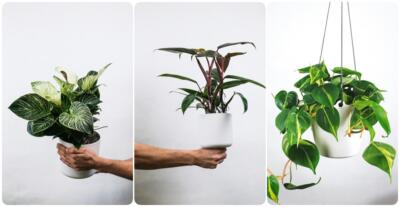
Many of the most popular houseplants contain insoluble calcium oxalate crystals: monstera (Swiss cheese plant), peace lily, dieffenbachia (dumb cane), philodendron, pothos (devil’s ivy), Chinese evergreen (Aglaonema), alocasia and other elephant ears, the ZZ plant (Zamioculcas), anthurium and calla lily. The needle-shaped crystals irritate the mouth as soon as a cat bites a leaf, causing intense burning of the mouth, tongue and lips, drooling, pawing at the mouth, vomiting and difficulty swallowing. Poisoning is usually mild, but in rare cases the throat swells enough to make breathing difficult.
Other common houseplants are toxic in different ways. Dracaenas contain saponins and cause vomiting, sometimes with blood, along with drooling, loss of appetite and depression, and in cats dilated pupils. The snake plant (Sansevieria trifasciata) causes nausea, vomiting and diarrhoea, and aloe vera causes vomiting, lethargy and diarrhoea. Figs, including the weeping fig (Ficus benjamina), irritate the gut and the skin. English ivy causes vomiting, abdominal pain, drooling and diarrhoea, and its leaves are more toxic than its berries.
The jade plant, kalanchoe, begonias, schefflera (umbrella tree), arrowhead plant (Syngonium) and amaryllis are on the list of plants toxic to cats too. Geraniums (Pelargonium) contain geraniol and linalool, which cause vomiting, loss of appetite, depression and skin inflammation. The poinsettia’s reputation is worse than its effect: its irritant sap upsets the mouth and stomach and sometimes causes vomiting, but poisoning is usually mild.

Are chrysanthemums poisonous to cats?
Yes. Chrysanthemums, both pot mums and the stems in bouquets, are toxic to cats, although the poisoning is usually mild. They contain sesquiterpene lactones and pyrethrins, which cause vomiting, diarrhoea and drooling, sometimes loss of coordination, and skin inflammation after contact. Keep potted chrysanthemums and bouquets that include them where your cat cannot reach them, and call your vet if it has chewed the leaves or flowers.
Which flowers should you avoid if you have a cat?
The flowers to keep out of a home with a cat are lilies of every kind, including those in bouquets, and lily of the valley. Water from a vase that held lilies, lily of the valley or oleander is toxic too. Bouquets often include other flowers that are toxic to cats, such as chrysanthemums, carnations, irises, gladioli, dahlias, peonies, hydrangeas, delphiniums and amaryllis, so check each stem before you bring flowers home and take out any lilies.
Spring bulbs need care as well. Daffodils contain lycorine and cause drooling, vomiting and diarrhoea, and a large amount can bring on convulsions, low blood pressure, tremors and an irregular heartbeat. Tulips cause vomiting, drooling, diarrhoea and depression. In both, the bulb holds the most toxin, and hyacinths are toxic to cats as well. Peruvian lilies (Alstroemeria) may cause vomiting and diarrhoea but are not expected to damage the organs, while roses and statice (Limonium) are among the cut flowers considered safe for cats.
Which garden plants are poisonous to cats?
For a cat that goes outdoors, the most dangerous garden plants are lilies and daylilies, lily of the valley, foxglove, autumn crocus, fritillaries, yew, juniper berries and oleander. Rhododendrons and azaleas, hydrangeas, ivy, holly, box, irises, peonies, delphiniums, laburnum, cherry laurel and wisteria call for caution too, as do tulip, daffodil and hyacinth bulbs. Ragwort, a common weed, can damage the liver if a cat eats a large amount of it.
Garden chemicals add to the risk. A weed that would otherwise be harmless becomes dangerous to a cat once it has been sprayed with weedkiller, and grass treated with pesticides or herbicides is not safe for a cat to chew.
Why do cats eat plants, and do they avoid toxic ones?
Nobody knows for certain why cats eat plants, but there are several explanations. Grass may help a cat bring up or pass what it cannot digest, such as fur, feathers and small bones, and it may supply nutrients such as fibre or folic acid. Cats that cannot reach grass sometimes chew houseplants instead. Kittens, bored cats and cats kept indoors are the most likely to do so, often while playing with the leaves.
Most cats are wary of unfamiliar food, which is why plant poisoning is not common. Many cases happen without the cat eating the plant at all: the plant brushes against its fur or paws, and the cat swallows the residue while grooming. With lilies this route is enough to cause serious poisoning.

What are the symptoms of plant poisoning in cats?
The symptoms of plant poisoning in cats depend on the toxin. Some plants only irritate the mouth and gut, while the most dangerous ones affect the heart, kidneys or liver:
- mouth: drooling, pawing at the mouth, burning and swelling of the mouth, tongue and lips, difficulty swallowing (monstera, peace lily and other plants with calcium oxalates)
- digestive system: vomiting, diarrhoea, loss of appetite, lethargy (dracaena, snake plant, aloe vera, tulip)
- heart and nervous system: an irregular heartbeat, low blood pressure, weakness, twitching, tremors, seizures, collapse and coma (lily of the valley, azalea, large amounts of daffodil or cyclamen)
- kidneys: drooling, vomiting, loss of appetite and lethargy at first, followed by kidney failure (lilies and daylilies)
- liver and blood: vomiting, black tarry stools, jaundice, increased thirst, bruising (sago palm)
- skin: redness, swelling or blistering, inflamed skin (chrysanthemum, geranium, fig)

Some signs appear within hours and others much later, so a cat that seems well just after eating a plant is not necessarily safe.
What should you do if your cat eats a poisonous plant?
If your cat has eaten a poisonous plant, or may have done, call your vet straight away, even if it shows no symptoms. Do not try to make your cat sick, as salt water and other home remedies are dangerous for cats, and vomiting should only be induced by a vet. Do not give it any medicine unless the vet tells you to.
- Move your cat away from the plant and keep it apart from other pets.
- Wash pollen or sap off its fur with a mild shampoo and water, then rinse and dry it, without letting this delay the call to the vet.
- Keep a sample of the plant, its label or a photo, and anything your cat has vomited, to show the vet.
- Tell the vet what the plant is, roughly how much your cat ate, when it happened and what symptoms you have seen.
In the UK, Animal PoisonLine, run by the Veterinary Poisons Information Service, advises owners 24 hours a day on whether their pet needs to see a vet. The number is 01202 509000, and a call costs £35 from 8am to 8pm on weekdays and £45 at all other times, including bank holidays (prices as of November 2026). In the US, the ASPCA Animal Poison Control Center is on (888) 426-4435, and a consultation fee may apply. Treatment is always the vet’s decision.

Which plants are safe for cats?
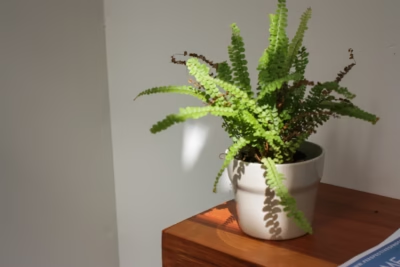
The ASPCA classes the spider plant (Chlorophytum comosum), Boston fern, areca palm, parlour palm (Chamaedorea elegans), calathea, moth orchids (Phalaenopsis), African violets, Christmas cactus, haworthia, cast iron plant (Aspidistra elatior) and nerve plant (Fittonia) as non-toxic to cats. Cats Protection adds peperomia, hoya, kentia palm and the money tree to its list of cat-safe houseplants, and for the garden it lists sunflowers, petunias, snapdragons, cornflowers, calendula, fuchsias and lavatera among others.
A plant on a safe list can still upset a cat’s stomach if it eats a lot of it, and even ordinary grass can make a cat vomit. A pot of cat grass, kept free of pesticides and weedkillers, gives a cat something of its own to chew instead of the houseplants.

How can you keep your cat safe from poisonous plants?
The only reliable protection against lilies is not to have them in the home or garden at all. Other toxic plants are best left out too, or kept well out of your cat’s reach, bearing in mind that their leaves, petals and pollen still fall where a cat can get at them.
At home:
- check whether a plant or bouquet is toxic to cats before you buy it, and remove lilies from bouquets you are given
- pick up fallen leaves, petals and pollen straight away
- keep vases out of reach, or keep the vase clean and change the water often
- give your cat toys, play sessions, hiding places and high perches, so it is less likely to chew plants out of boredom
In the garden:
- keep lilies, daylilies, lily of the valley and other high-risk plants out of the areas your cat uses, including plants overhanging from next door
- keep tulip and daffodil bulbs out of reach when you plant them
- clear up prunings and fallen berries promptly and dispose of them away from pets
- store pesticides and weedkillers where your cat cannot get to them, and do not use them where it roams

Plants poisonous to cats – frequently asked questions
Are roses poisonous to cats?
No. Roses are classed as non-toxic to cats, and the only risk is a scratch from the thorns.
Is a peace lily as dangerous to cats as a true lily?
No. The peace lily (Spathiphyllum) is not a true lily, and its calcium oxalate crystals mainly cause drooling, vomiting and diarrhoea. Serious poisoning is rare, although Animal PoisonLine has recorded kidney failure in a few cats, so call your vet if your cat has chewed one.
Which herbs are poisonous to cats?
Mint and lavender are on the ASPCA list of plants toxic to cats, and lavender can cause nausea and vomiting. Rosemary and sage are on the Cats Protection list of plants safe for cats.
Which Christmas plants are poisonous to cats?
The poinsettia usually causes only mild irritation of the mouth and stomach. Holly and mistletoe are toxic to cats, and winter arrangements may include lilies or amaryllis, so check them before you bring them home.
Is cut flower food harmful to cats?
Flower food is not very toxic, but it can cause a mild stomach upset, so keep the vase where your cat cannot drink from it.
A home shared with a cat is easiest to plant at the design stage, when lilies can be left out of the scheme and the space given to palms, ferns and calatheas that will not harm it. Find architects, interior designers and interior photographers in the PLNDesign directory.
See also:
- Philodendron care: light, watering, compost and toxicity
- Houseplant care in winter: light, watering, heat and pests