


Plants poisonous to dogs grow both in the garden and indoors: yew, box, lily of the valley and tulips outside, monstera, peace lily, dracaena and aloe vera on the windowsill. Many of them irritate a dog’s mouth and stomach, while yew, the castor oil plant and the sago palm can kill. If you suspect your dog has eaten one, call your vet straight away.
Plants poisonous to dogs at a glance:
- Potentially fatal plants include yew, the castor oil plant and the sago palm, while lily of the valley disturbs the heart rhythm.
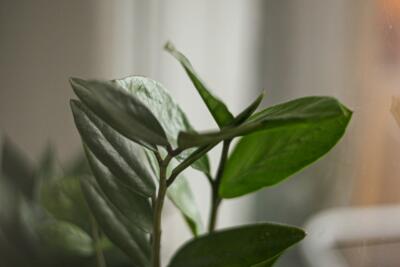
- Indoors, monstera, peace lily, dieffenbachia, dracaena, aloe vera and the weeping fig are toxic to dogs, while calathea, prayer plant, areca palm, peperomia and moth orchids are classed as non-toxic.
- Symptoms range from drooling and vomiting to an irregular heartbeat and seizures, and they can appear straight away or hours to days later.
- After your dog eats a poisonous plant, call the vet immediately, even if the dog seems well, and do not try to make it sick unless the vet tells you to.
Which plants are most poisonous to dogs?
Yew, the castor oil plant and the sago palm can be fatal to dogs: yew attacks the heart, the sago palm the liver and the castor oil plant the kidneys. Lily of the valley is also dangerous because it disturbs the heart rhythm. Blue Cross adds azalea, rhododendron, daffodil and dieffenbachia to the more toxic plants that dogs come across.
Yew (Taxus baccata) is an evergreen tree often planted in gardens and as hedging. Every part of it is toxic except the ripe red aril, the fleshy cup around the seed, and the seed inside that cup is toxic too. Its taxines act on the heart. A poisoned dog may tremble, struggle to breathe, vomit and have seizures, and yew poisoning can end in sudden death from acute heart failure, sometimes several days after the dog ate the plant.
The castor oil plant (Ricinus communis) is grown in gardens as an ornamental. Its seeds are the most dangerous part because they contain ricin, and signs usually appear 12 to 48 hours after a dog eats them. Poisoning starts with burning in the mouth and throat and vomiting, and it can lead to bloody diarrhoea, intense thirst, kidney failure, convulsions and coma.
The sago palm (Cycas revoluta) is usually kept as a houseplant. It contains cycasin, which damages the liver and disrupts blood clotting, and poisoning can be fatal.
Lily of the valley (Convallaria majalis) grows wild in woodland and is also planted in gardens and used in bouquets. Its cardiac glycosides cause vomiting, an irregular heartbeat and low blood pressure, and in severe cases disorientation, seizures and coma.

Which garden plants are poisonous to dogs?
Besides yew, the castor oil plant and lily of the valley, many common hedging shrubs, spring bulbs and border plants are poisonous to dogs:
- shrubs and hedging: box (Buxus), privet, holly, cherry laurel, rhododendron and azalea, hydrangea, oleander
- trees: horse chestnut, oak, laburnum
- bulbs: tulip, daffodil, hyacinth, bluebell, snowdrop, crocus, autumn crocus
- other garden plants: ivy, foxglove, iris, chrysanthemum, primrose, larkspur (Delphinium), wisteria, clematis, ornamental tobacco (Nicotiana)
Tulip and daffodil bulbs hold the highest concentration of toxins, and a dog can easily dig them up from a border. A tulip bulb causes vomiting, diarrhoea, drooling and lethargy. Daffodils upset the stomach and can leave a dog sleepy and unsteady on its feet, and severe cases bring fits and heart rhythm problems. Even the water from a vase of daffodils can harm a dog that drinks it.
Bluebells, which dogs meet on woodland walks in spring, contain a toxin that affects the heart. They usually cause an upset stomach, but a very large amount can be fatal. In autumn, watch out for conkers and acorns: horse chestnut twigs, leaves and conkers are poisonous, and both conkers and acorns can also block a dog’s gut.
Which houseplants are poisonous to dogs?
Many popular houseplants from the arum family are poisonous to dogs: monstera (Swiss cheese plant), peace lily, dieffenbachia, philodendron, pothos (devil’s ivy), alocasia, Chinese evergreen (Aglaonema) and arrowhead plant (Syngonium). They contain insoluble calcium oxalates, so biting a leaf causes intense burning and irritation of the mouth, tongue and lips, heavy drooling, vomiting and difficulty swallowing.
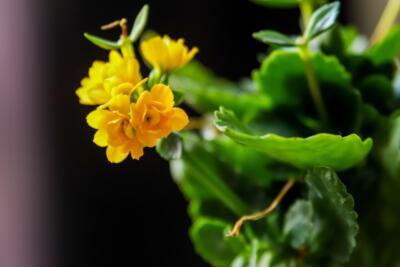
The same list includes dracaena, snake plant, yucca and aloe vera, figs such as the weeping fig (Ficus benjamina), kalanchoe, jade plant, cyclamen, amaryllis, geranium (Pelargonium), begonia, poinsettia and desert rose (Adenium). Poinsettias, which come into many homes at Christmas, are best kept out of a dog’s reach.

Which plants are safe for dogs?
The ASPCA classes calathea, prayer plant (Maranta), areca palm, parlour palm, peperomia, Boston fern, cast iron plant, moth orchid (Phalaenopsis), African violet, spider plant, nerve plant (Fittonia), pilea, hoya, Christmas cactus, camellia, haworthia, ponytail palm and money tree (Pachira aquatica) as non-toxic to dogs. In the garden, roses, true jasmine (Jasminum), petunias, pot marigold (Calendula), hollyhocks, cornflowers and sunflowers are non-toxic too, and so are basil, rosemary and sage in the herb bed. Some plants sold as jasmine belong to other genera and are poisonous, so check the botanical name.
A plant on a non-toxic list can still upset a dog’s stomach if the dog eats a lot of it. Blue Cross points out that no list of dog-safe plants can be complete, partly because plants are hard to identify, so even these are best kept out of reach, and a dog should learn early on that leaves are not for chewing.
What are the symptoms of plant poisoning in dogs?
Symptoms of plant poisoning in dogs depend on the toxin. Some plants only irritate the mouth and stomach, while the most dangerous ones affect the heart, liver or kidneys:
- mouth: intense burning of the mouth, tongue and lips, drooling, difficulty swallowing (monstera and other arums)
- digestive system: vomiting, diarrhoea, drooling, lethargy (box, tulip)
- heart and nervous system: an irregular or slow heartbeat, low blood pressure, disorientation, tremors, difficulty breathing, seizures, coma (lily of the valley, yew)
- liver and blood: black, tarry stools, jaundice, bruising, clotting problems (sago palm)
- kidneys: increased thirst, kidney failure (castor oil plant, which also burns the mouth and throat and causes vomiting)
Other warning signs include loss of appetite, pale gums, mouth ulcers, reddened skin, twitching and collapse. A dog that seems fine just after eating a plant is not necessarily safe. Symptoms can appear straight away or take hours or even days, and the sooner a poisoned dog is treated, the better its chance of recovery.
What should you do if your dog eats a poisonous plant?
If your dog has eaten a poisonous plant, or may have done, call your vet immediately, even if it is behaving normally. A dog that is struggling to breathe, unresponsive, having a seizure, collapsed or bleeding heavily needs emergency treatment straight away. Do not try to make your dog sick, and do not give it anything to eat or drink unless the vet tells you to.
- Move your dog away from the plant and, if there are still pieces in its mouth, tempt it to drop them with a treat or a toy.
- Keep what is left of the plant, or take a photo of it, and bring it to the vet if you can do so safely.
- Tell the vet what the plant is, how much your dog may have eaten, when it happened and roughly how much your dog weighs.
In the UK, Animal PoisonLine, run by the Veterinary Poisons Information Service, advises owners 24 hours a day on whether their pet needs to see a vet. The number is 01202 509000, and a call costs £35 from 8am to 8pm on weekdays and £45 at all other times, including bank holidays (prices as of November 2026). In the US, the ASPCA Animal Poison Control Center is on (888) 426-4435, and a consultation fee may apply. Treatment is always the vet’s decision.
How can you keep your dog safe from poisonous plants?
The surest protection is to keep poisonous plants out of the places your dog can reach. Where you want to keep a particular plant, limit your dog’s access to it and keep an eye on the dog. Puppies need particular care, because they explore the world with their nose and mouth and are extra inquisitive on their first walks. If you see a dog of any age chewing a plant, distract it with a favourite toy.
At home:
- keep houseplants on high shelves or in hanging planters, out of your dog’s reach
- check whether a plant or a bouquet is toxic to dogs before you buy it
- pour away the water from a vase of daffodils where your dog cannot get to it
In the garden:
- fence off beds with poisonous plants using mesh or a barrier high enough that your dog cannot jump it
- grow toxic species in tall containers or away from the areas where your dog rests and plays
- make sure your dog cannot dig up tulip and daffodil bulbs
- clear up yew clippings straight after pruning, and keep compost heaps and grass clippings, which can harbour harmful moulds and bacteria, out of reach
- store pesticides, weedkillers and fertilisers where your dog cannot get to them, as many are toxic to pets
- supervise your dog in the garden, especially a young one, and keep it on a lead on walks where toxic plants grow
Plants poisonous to dogs – frequently asked questions
Are yew berries poisonous to dogs?
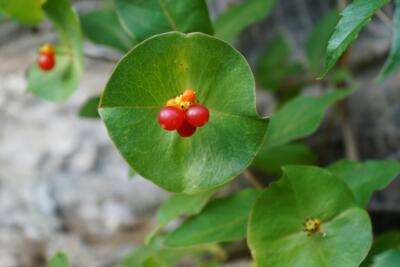
Yes. The red flesh of a yew ‘berry’ is not toxic, but the seed inside it is, as is the rest of the tree. If your dog has eaten yew berries, call your vet straight away.
Is box poisonous to dogs?
Yes. Box (Buxus) contains alkaloids, and a dog that eats it may vomit and have diarrhoea.
Are lilies poisonous to dogs?
True lilies (Lilium) are classed as non-toxic to dogs, and at most they may upset a dog’s stomach. They are very dangerous to cats, in which they can cause kidney failure. Lily of the valley and the peace lily are not true lilies, and both are toxic to dogs.
Are hostas poisonous to dogs?
Yes. The hosta, also called plantain lily, is on the ASPCA list of plants toxic to dogs, so call your vet if your dog has eaten some.
Are garden herbs safe for dogs?
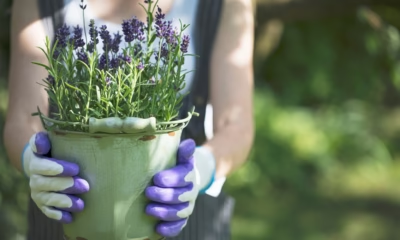
Not all of them. Mint, parsley, lavender and chamomile are toxic to dogs, while basil, rosemary and sage are not.
Are conkers and acorns dangerous for dogs?
Yes. Horse chestnut twigs, leaves and conkers are poisonous to dogs, and conkers and acorns can also cause a blockage in the gut. In autumn, pick them up from the parts of the garden your dog uses.
A dog’s safety is easiest to plan for at the design stage of a garden, when yew or a castor oil plant can be left out near the lawn where the dog plays and replaced with plants that will not harm it. Find architects, interior designers and interior photographers in the PLNDesign directory.
See also:
- Kalanchoe care: light, watering, reflowering and propagation
- Monstera deliciosa care: how to grow a Swiss cheese plant indoors