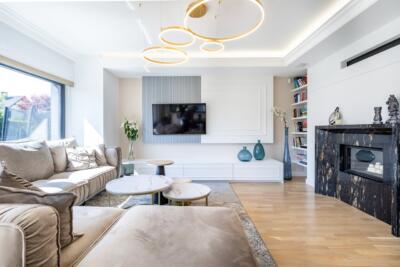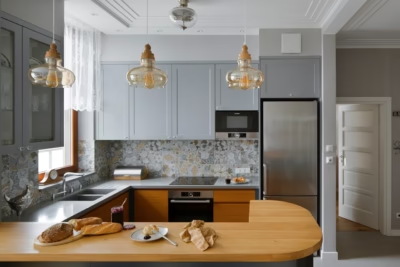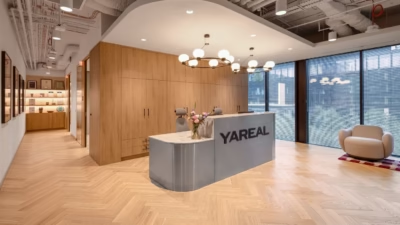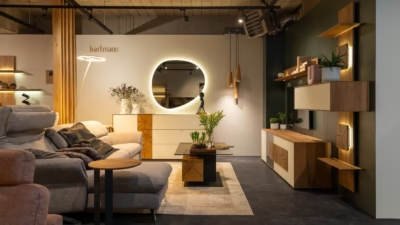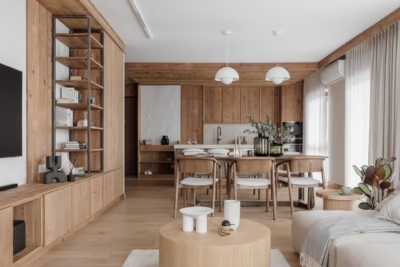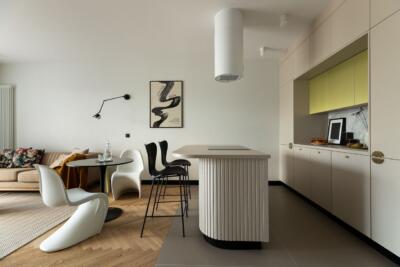


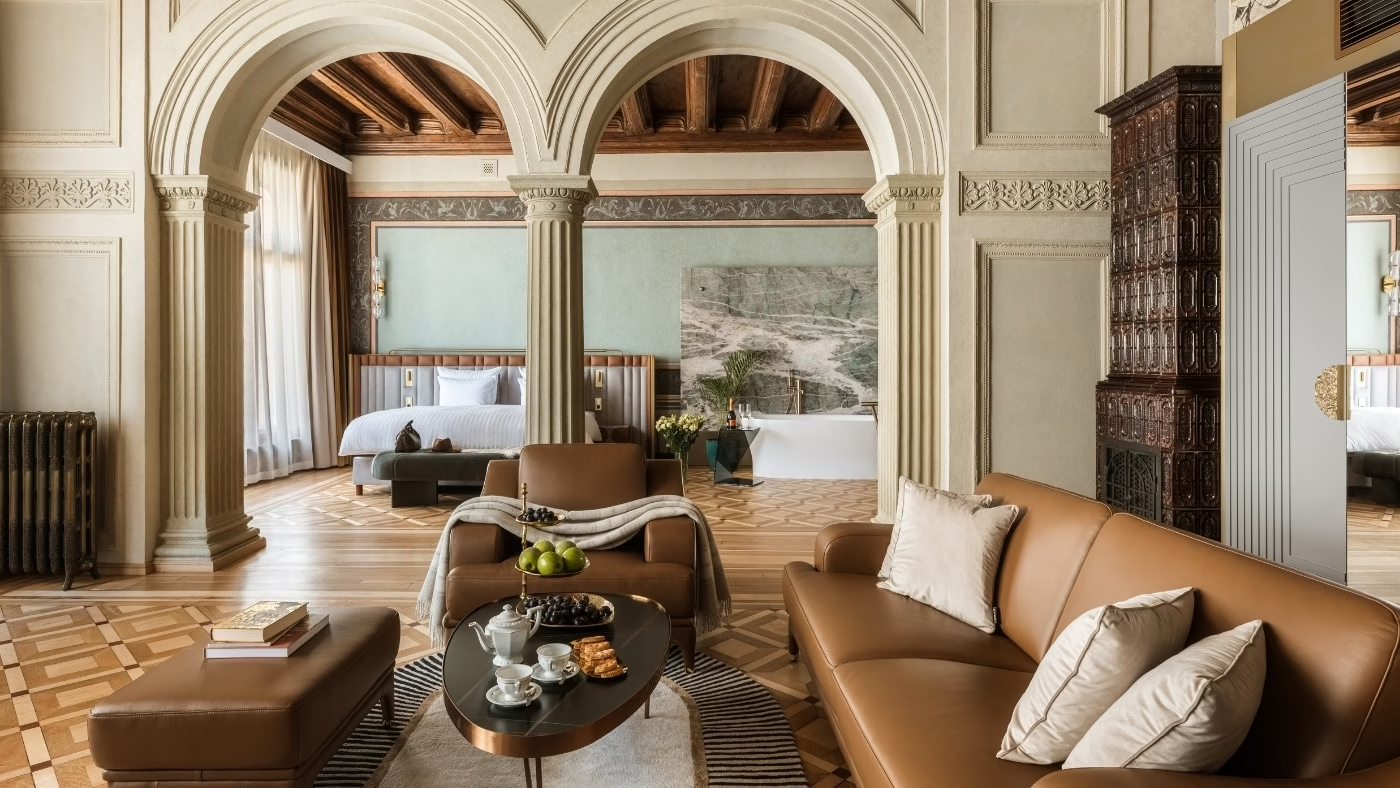
Before setting up his own interiors photography studio, Aleksander Figiel spent several years working in marketing for hotels and property developments. During that time, he increasingly took on the photography himself. He now shoots for Stradom House Autograph Collection, H15 Palace and Zinar Castle, and also works with architects, interior designers, restaurants and clients in the property sector. What interests him about photography is the scope it offers to interpret a space. He looks to painting for inspiration and pays close attention to the available light during a shoot.
From fine art photography to interiors
Aleksander Figiel graduated with distinction in Creative Photography from the Cracow School of Art and Fashion Design. His graduation project, Szczękościsk (‘Lockjaw’), supervised by Professor Agat Błoński, centred on staged studio photography. Working with objects, forms and light allowed him to compose images directly in front of the lens. After graduating, he continued to pursue his own art projects, exhibiting some of them.
Alongside this, he built a career in marketing. As a manager, he was responsible for strategy and communications, as well as graphic design and photography. His work in hospitality and property development gave him more and more opportunities to photograph interiors. In time, he felt he had enough experience to set up on his own. He has been working exclusively as a photographer for over two years.
Taking inspiration from painting and light
He describes photography as ‘compressed reality’, stressing the importance of the choices made by the person behind the camera. Photographers decide both what to show and what to leave out of the frame. He is drawn to the freedom painters have to work with light, colour and composition as they wish. On an interiors shoot, he looks for his own way of depicting the space.
A shoot for Stradom House Autograph Collection, which lasted several days, called for just this approach. It covered almost the entire hotel, with rooms that differed in their materials, colours and lighting. His task was to produce a coherent set of photographs while preserving the character of each interior. The resulting images later appeared in publications around the world.

How do you prepare for an interiors shoot? Are there any steps you always follow?
Before I start shooting, I take a good look around the interior. I consider how you move through it, how the rooms connect and what is worth showing in the photographs. Reference images and renderings help with the preparation, but they’re no substitute for a visit. Only then can I assess the proportions, materials and light.
I agree the number of shots with the client in advance and send them some guidance on preparing the space. I also check the direction and quality of the light at different times of day. I bring a few practical things along in case something unexpected comes up. Sometimes all it takes is a clothes steamer to get fabrics ready for a shot in a matter of minutes. I like to be in control of the shoot, but I also leave room for spontaneous decisions.
How important is natural light in your interiors photography? What do you do when there isn’t enough light?
For me, natural light best conveys the atmosphere of an interior. It’s part of the place I’m photographing. I watch how its direction, intensity and colour temperature change over the course of the day, because those changes can make the same room look very different.
If I use flash, it’s to supplement the available light. I want the interior to look natural. On hotel shoots, I also photograph details, people or food. Artificial light gives me more control over those shots.
Do you prefer photographing interiors in a particular style, or do you adapt to different aesthetics?
I’m most drawn to interiors that feel lived-in: natural, without too much styling, sometimes with a mix of different styles. I look for traces of the people who designed them or live in them. Those personal touches make a space feel authentic.
I don’t look for one particular style. I’m interested in variety and in finding the right way to photograph each space. I’m less drawn to interiors designed purely for show. Even a perfectly styled space can be interesting, though, if I find something authentic in it.
Are there any favourite pieces of equipment you always bring on an interiors shoot?
I usually work with a medium-format Fujifilm camera and a tripod. I also often work tethered on interiors shoots, so I can review the images as I go and make adjustments while I’m still on location. I’m particularly fond of the 80mm lens for the GFX system because of the perspective it gives me.
I have the equipment I need for my work, but I see it primarily as a set of tools. Good equipment makes the job easier. What matters to me in the end is the finished photograph.
How do you work with architects, interior designers or property owners to capture their vision in your photographs?
I start by learning about the ideas behind the project. I want to know what the designer had in mind and which elements matter most to them. This helps me understand the interior and find my own way to photograph it.
I need freedom during a shoot. Some ideas for shots only come to me on site, as I observe the space and the light. Trust matters: the architect knows their project best, and I’m responsible for how I photograph it. Sharing that knowledge makes it easier to produce images that reflect the designer’s intentions.
What advice would you give architects or interior designers who are planning to work with an interiors photographer?
It’s worth thinking about the shoot while you’re still planning the project. The photographer should be able to see the interior at the right stage and work at the times of day when the light is best.
It also helps to tell them what matters most in the design, then give them the freedom to find their shots. We see an interior differently from its designer. Sometimes the best shot comes when we move away from the original plan.